Text · Pastor's blog · 28.10.2026
The church of God
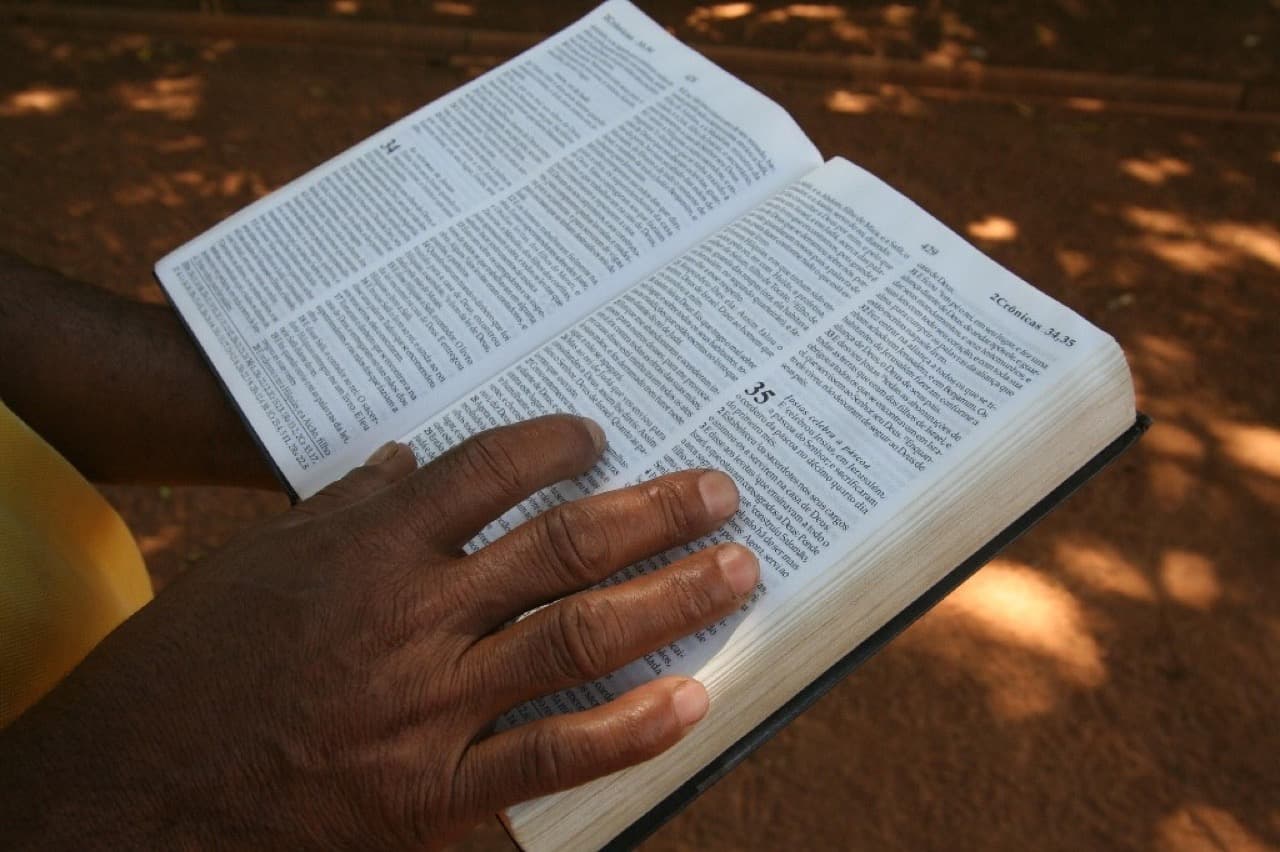
There is a universal church of Christ, which also includes those who have died in Christ beyond the bounds of time, but alongside this…
There is a universal church of Christ, which also includes those who have died in Christ beyond the bounds of time, but alongside this there are also local churches, each of which, when founded on the revelation of Scripture, is the church of God. The apostle Paul once wrote, for example, to the church in Corinth and mentioned at the beginning of his letter: “unto the church of God which is at Corinth.”
In the light of the revelation of Scripture it is impossible to think that there would be only the universal church of Christ. Paul wrote in his letter to the Corinthians “as in all the churches of the saints” and “when ye come together.” The first quotation already shows that there are several churches — and how could it ever be possible for all the believers of the whole world to gather in one place? Naturally we gather locally.
In my own thinking the church is gathered wherever two or three meet in the name of Jesus, but equally, for organising the task of the church, it is good that in larger units we organise according to the flexible model found in Scripture. I do not believe that every church must function in exactly the same way, but of course even here we must not go beyond what is written.
Much more could of course be written about the local church, but here we fix our attention especially on how, in the first church of Jesus’ disciples in Jerusalem, it was known who belonged to the church and who did not. And those who belonged also committed themselves to the membership and activity of the church. They lived out what the writer of Hebrews writes: “not forsaking our own assembling together, as the custom of some is…”
On the day of Pentecost about 3,000 people came to faith, and those among them who were baptised were added to the local church. I am sure that their number was known exactly, even though Luke the physician, the writer of Acts, says the number was “about three thousand.” In the same way I myself might say, instead of an exact figure, that about 30 people belong to our church.
Of these who came to faith and joined the local church it is told that “they continued stedfastly in the apostles’ teaching and fellowship, in the breaking of bread and the prayers.” So they remained in the church and, besides this, also showed their commitment to the community by giving of their means. They even sold their possessions so that the gospel might spread.
Of the life of this first church we are told, among other places, in Acts chapter five: “And by the hands of the apostles were many signs and wonders wrought among the people; and they were all with one accord in Solomon’s porch. But of the rest durst no man join himself to them: howbeit the people magnified them.” In other words, it was known who joined and who did not join the church. Clear-boundaried commitment to the church was seen as good among the first believers. And it is still good for believing people today.
Scripture references:
Acts 2, 4, 5 1 Cor 1, 12, 14 Heb 10